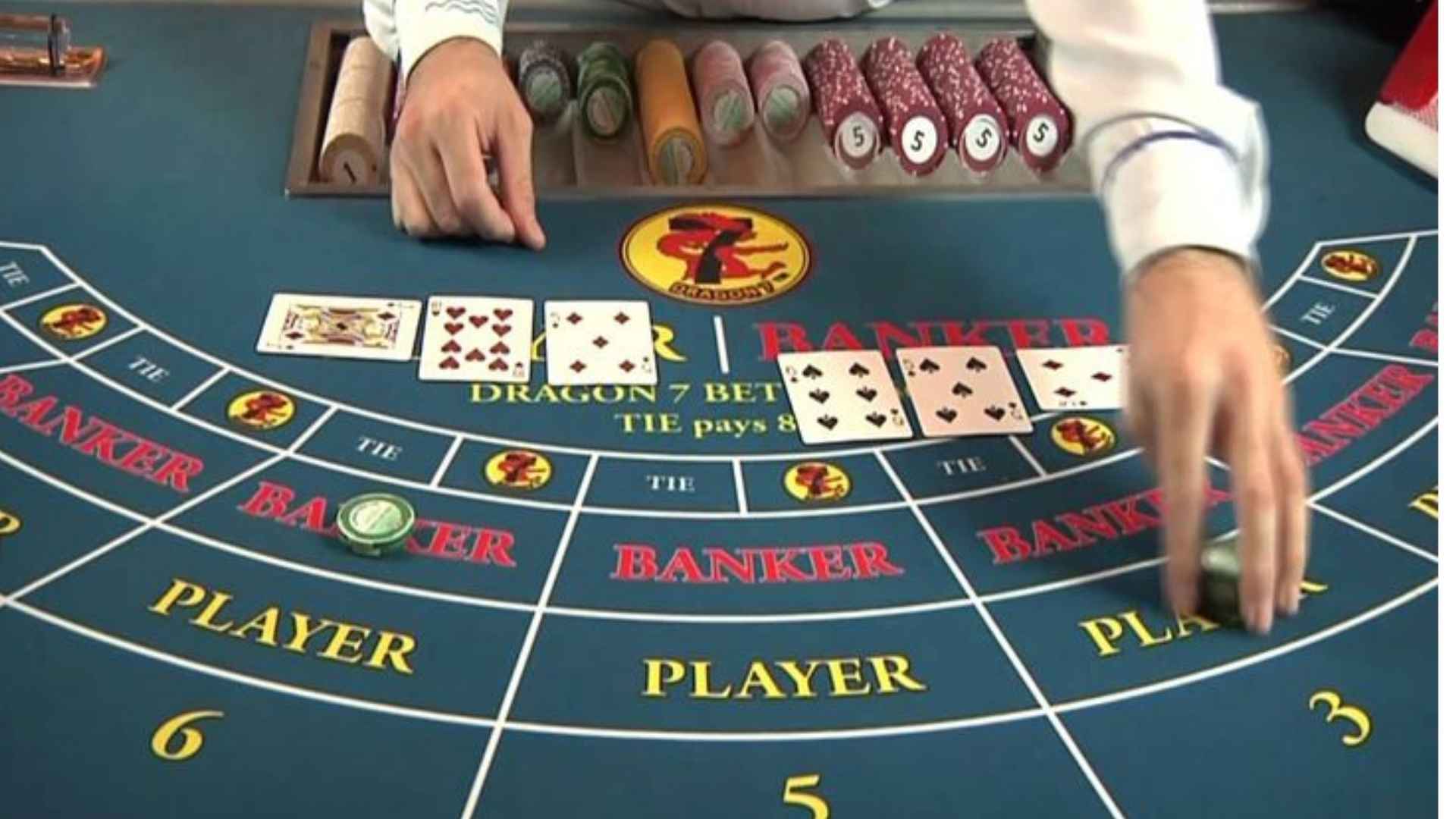
Achieving steady success at the poker table requires far more than memorizing hand rankings or mastering basic pot odds. While novice players often focus solely on immediate card results, seasoned competitors rely on ingrained psychological routines that stabilize their performance over time. Examining the mental habits shared by consistent poker players highlights how internal discipline ultimately drives long-term profitability.
Objective Decision-Making Under Pressure
Consistent players treat every hand as a calculated assessment of probabilities rather than an emotional battle. They separate the quality of their strategic choices from short-term financial outcomes, remaining steady even during volatile sessions. This analytical mindset prevents impulsive reactions when faced with sudden variance or unexpected opponent raises.
By maintaining routine objective evaluation, top competitors avoid making hasty adjustments based on short-term fear or frustration. They systematically process available information, such as position and betting patterns, before committing chips to the pot. This structured thinking ensures that every action aligns with a long-term profitable framework.
Disciplined Emotional Control and Risk Tolerance
Managing frustration, commonly referred to as tilt, is perhaps the most critical psychological skill in competitive card games. Winning players recognize the early warning signs of emotional fatigue and implement strict boundaries to protect their decision-making ability. They understand that preserving capital during difficult sessions is just as vital as maximizing gains during winning runs.
Many enthusiasts study competitive dynamics and refine their mental discipline by exploring platforms through an m88 link alternatif to observe diverse player strategies. Maintaining total emotional control allows experienced players to capitalize on opponents who lose focus after suffering bad beats. Controlling internal shifts transforms potential psychological vulnerabilities into sustainable tactical advantages.
Continuous Assessment of Opponent Dynamics
Rather than focusing exclusively on their own cards, consistent competitors continuously monitor table behavior and subtle timing shifts. They build comprehensive mental profiles for each opponent, identifying specific tendencies under varying levels of pressure. This active observation enables them to make accurate adjustments during critical hands.
Tracking opponent habits requires sustained concentration across long gaming sessions without letting attention wander. Skilled players notice subtle deviations in betting sizes and decision speeds, integrating those data points into future strategic calls. This deep awareness allows them to exploit small behavioral patterns that less attentive players completely miss.
Relentless Self-Evaluation and Routine Growth
The best poker strategists commit to rigorous self-review after completing their gaming sessions. They analyze difficult decisions, review hand histories, and identify areas where emotion may have compromised their logic. This commitment to honest self-reflection prevents bad habits from becoming permanently entrenched in their playstyle.
Through continuous learning, consistent players continuously refine their understanding of complex strategic concepts. They view every session, regardless of profit or loss, as a valuable opportunity to collect data and improve their mental game. Over time, this dedicated habit of self-improvement elevates their performance far beyond average table standards.