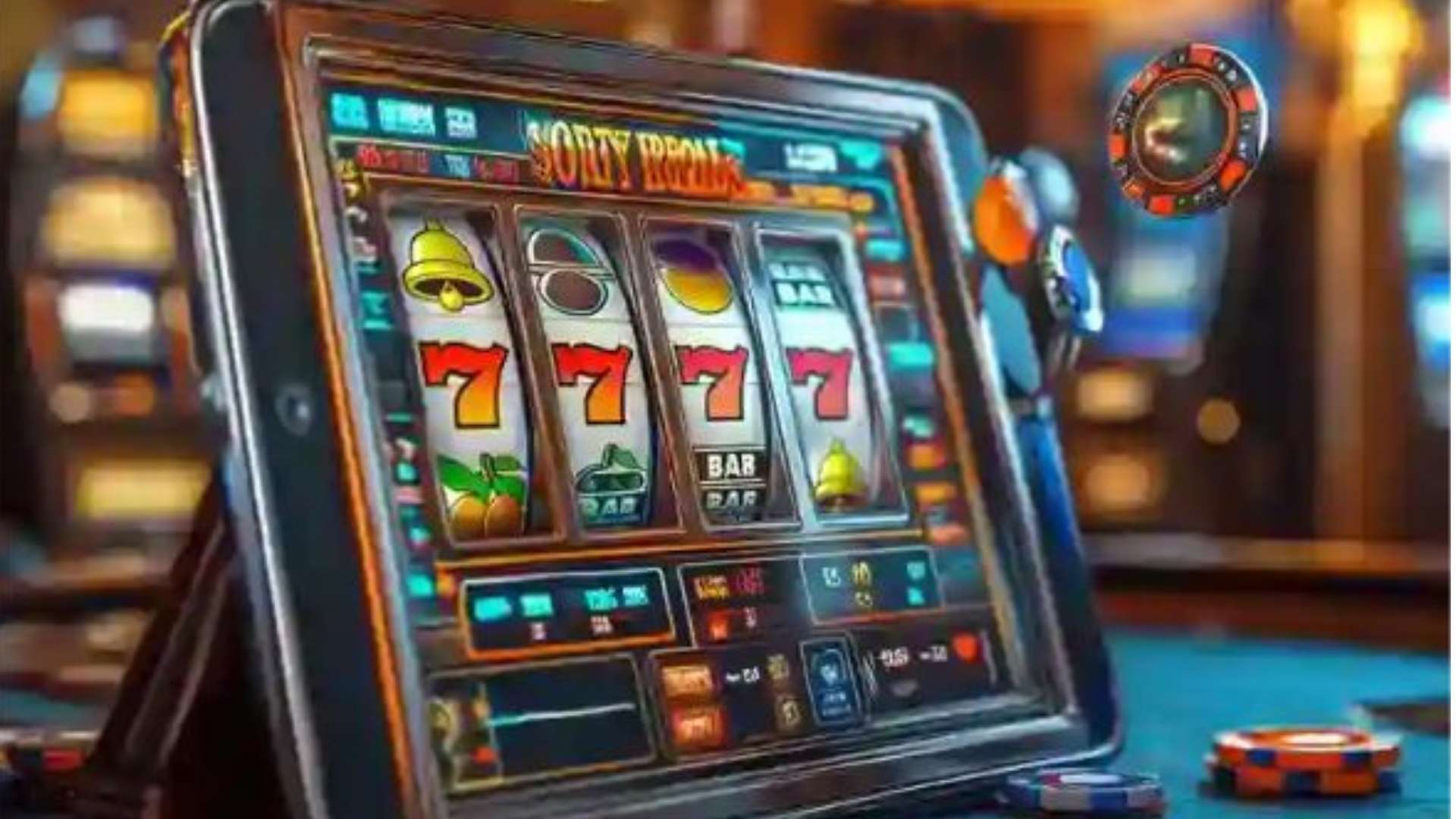
Understanding how true unpredictable events operate compared to how humans interpret them reveals a fascinating divide in cognitive psychology and mathematics. While statistical systems produce outcomes purely by chance, the human mind is hardwired to find order, patterns, and meaning in every sequence. This disconnect often leads to misconceptions about luck, fairness, and probability in everyday life.
The Nature of Pure Statistical Randomness
True randomness operates without memory or intent, meaning that every event is completely independent of the ones that came before it. In a genuinely random sequence, long clusters of identical outcomes naturally occur far more often than people expect. Because the system does not self-correct to maintain balance, short-term results can appear surprisingly uneven.
Mathematical models rely on algorithmic or physical unpredictability to generate non-deterministic sequences. From shuffling digital cards to generating unique numbers, these systems ensure that no past result can influence what happens next. Understanding this principle helps individuals appreciate that true chance rarely looks perfectly balanced in small sample sizes.
Why Human Perception Misinterprets Chance
The human brain evolved to recognize patterns as a fundamental survival mechanism, which makes pure randomness feel counterintuitive. When individuals observe repetitive outcomes, they often assume a hidden trend exists or that a shift in probability is overdue. This mental shortcut leads people to mistake natural statistical variation for an intentional design or underlying rule.
Cognitive phenomena such as the gambler's fallacy highlight how strongly humans expect short-term events to mirror long-term averages. Users navigating digital interfaces or looking up an m88.com login frequently encounter random number generators that operate entirely on probability rather than recent history. Recognizing that chance lacks memory allows users to maintain realistic expectations during any interactive experience.
Designing Systems That Feel Truly Fair
Because genuine chance often feels broken or biased to users, software developers sometimes adjust algorithms to match human expectations. By introducing slight artificial balancing mechanisms, systems can prevent frustrating streaks that seem unnatural. This technique creates a smoother experience that aligns with what people intuitively believe randomness should look like.
However, modifying statistical distributions changes the core mechanics from actual chance to controlled pseudo-randomness. Balancing user satisfaction with mechanical accuracy remains a central challenge in digital game design and statistical simulations. Knowing the distinction helps creators decide whether to prioritize mathematical purity or user perception.
Bridging the Gap in Everyday Decision Making
Developing a accurate view of probability requires consciously setting aside natural instincts about streaks and patterns. When evaluating outcomes in games, markets, or daily choices, recognizing independent events prevents flawed logic. Accepting that unpredictability includes natural clustering allows for better analytical thinking and calmer decision making.
Ultimately, appreciating the contrast between real statistical odds and perceived patterns enriches our understanding of the world. By realizing that our minds naturally seek order in noise, we can better evaluate probability without falling for cognitive illusions.