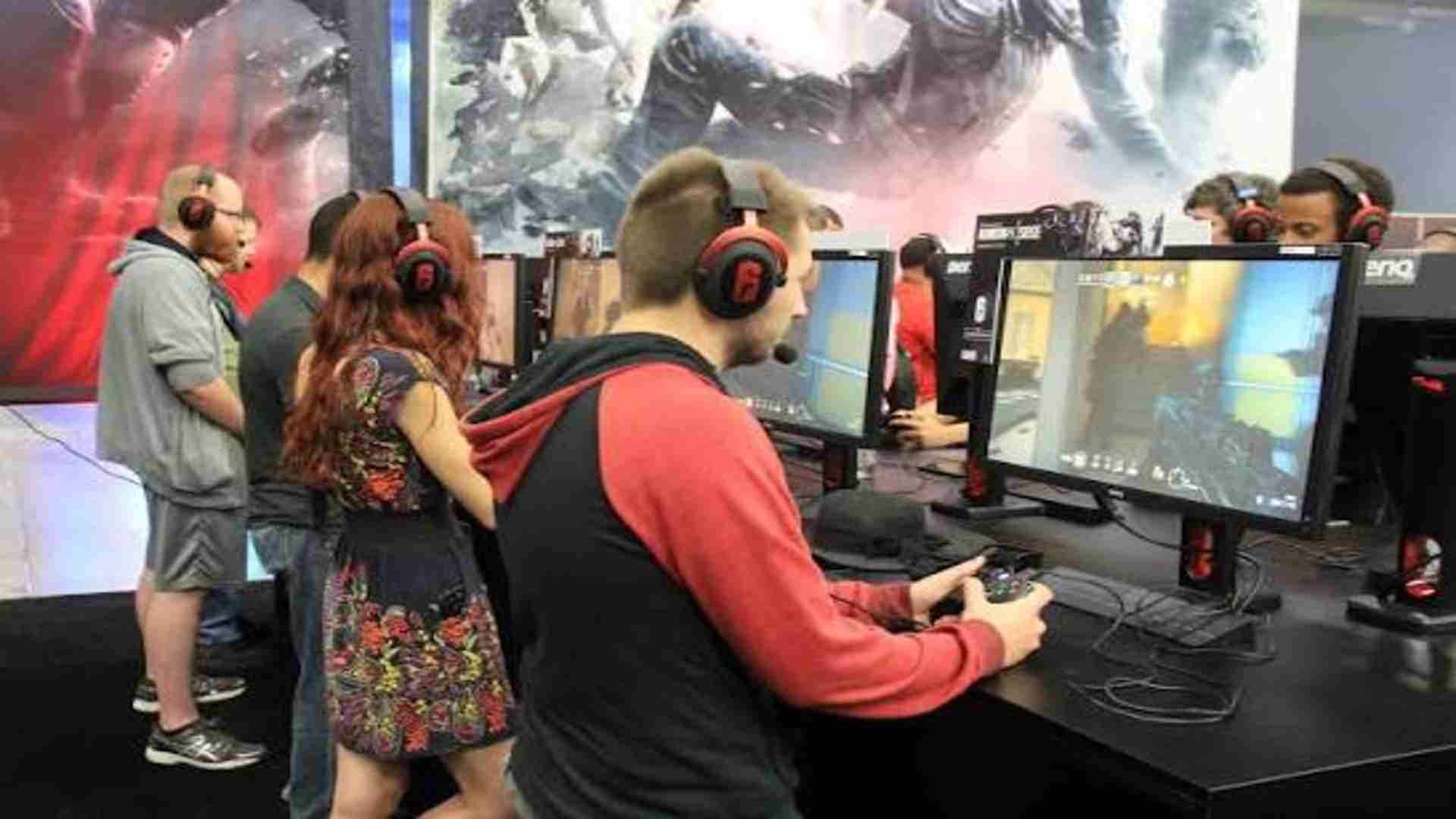
The global gaming sector continues to experience rapid evolution as developers introduce new forms of cooperation among players. Rather than relying entirely on individual mechanical skills, modern digital environments are shifting heavily toward shared challenges that reward deep synergy. This transformation ensures that players must actively communicate and synchronize their tactics to achieve mutual success on the virtual battlefield.
The Evolution of Cooperative Mechanics
Recent studies suggest that video game playing can bolster teamwork and collective performance when the systems are built intentionally for collaboration. Modern designers are implementing complementary role frameworks that force players to rely on each other's specialized skills to overcome complex obstacles. This balanced approach turns every match into a dynamic puzzle that cannot be solved by a solitary participant.
As these interactive platforms adapt to unexpected technological advancements, the tools supporting community engagement also become much more sophisticated. For enthusiasts looking to explore diverse online platforms that leverage modern systems, visiting M88 provides insights into current developments in digital entertainment hubs. These specialized online networks allow players across the globe to seamlessly connect and test their collective coordination in real-time environments.
Building Cohesion Through Shared Goals
Successful multiplayer environments rely heavily on developing strong team mental models where all participants share a unified vision. Game systems that prioritize shared objectives help players align their strategies and anticipate their teammates' moves naturally. This high level of connectivity promotes an engaging experience that keeps global communities invested over the long term.
Furthermore, structural innovations such as asymmetric gameplay mechanics allow individuals with different skill levels to contribute meaningfully to the group. By prioritizing inclusive design, publishers can welcome a broader demographic of players without diminishing the tactical depth of the competition. This intentional balance fosters a much friendlier online community focused on mutual improvement rather than toxic rivalry.
The Future of Modern Gaming Ecosystems
As virtual infrastructure expands, the digital spaces created by game developers will increasingly serve as foundations for advanced social interaction. Future multiplayer titles will likely incorporate automated awareness systems and deeper real-time communication tools to refine how squads operate. These continuous upgrades keep the gaming landscape fresh and endlessly challenging for casual and expert players alike.
Ultimately, the continuous rise of team-focused design signals a permanent shift away from isolated high-score chasing toward complex social experiences. Players are no longer just looking for quick entertainment; they want deep digital body extensions that allow them to cooperate in rich virtual worlds. The industry will undoubtedly keep pushing the boundaries of what collaborative software can accomplish in the years ahead.