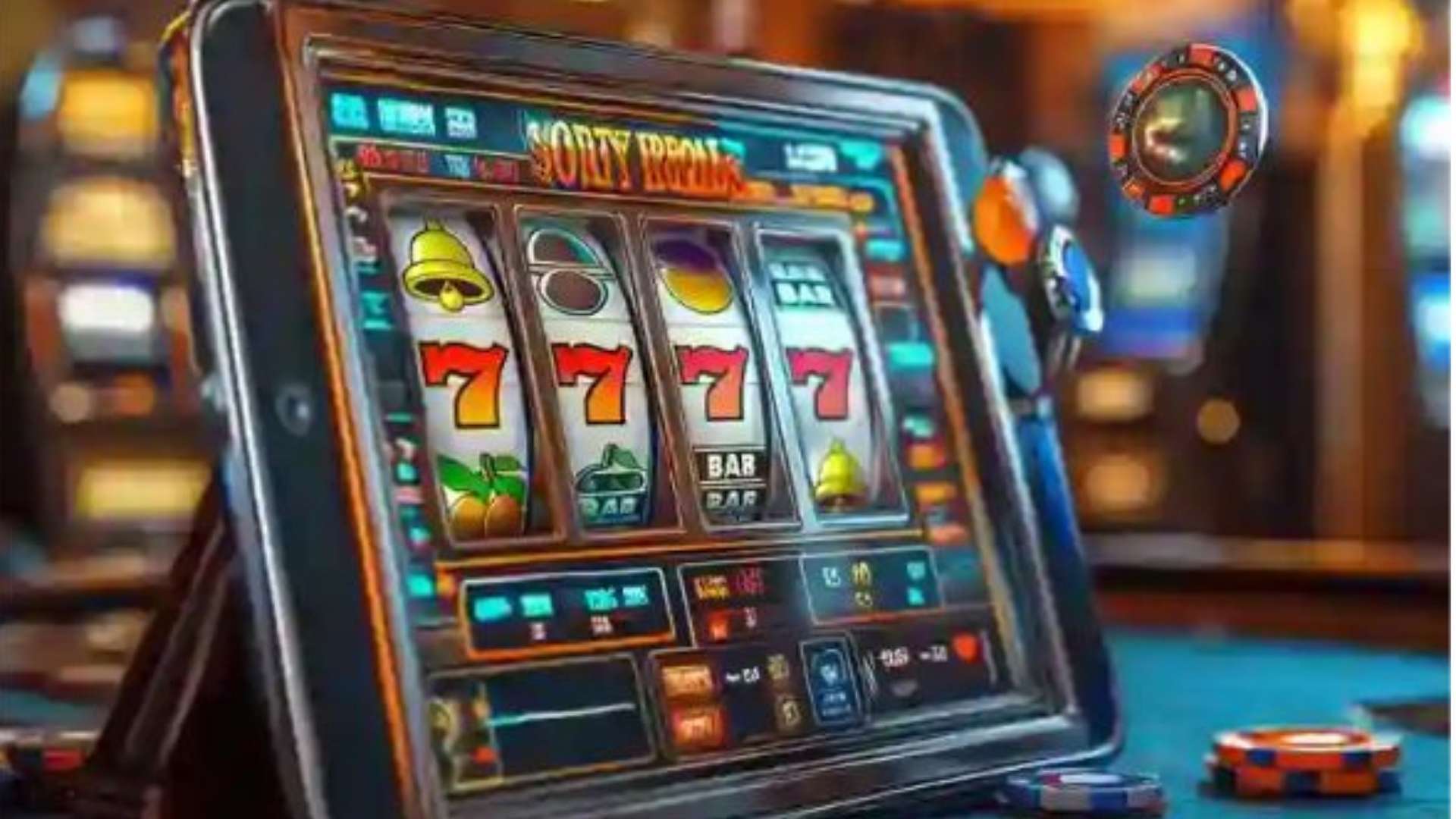
Chance-driven incentives have become a fundamental design component in modern interactive gaming, captivating audiences by introducing unpredictable outcomes. By replacing fixed reward schedules with variable possibilities, game creators heighten player curiosity and continuous engagement. Understanding how these mechanics influence user behavior provides valuable clarity into contemporary digital entertainment strategies.
The Psychological Appeal of Probability
Uncertainty naturally triggers heightened attention in the human brain, transforming routine challenges into compelling moments. When players realize that an upcoming action could result in an extraordinary reward, their focus sharpens significantly. This physiological dynamic keeps participants invested across extended sessions.
Unlike predictable reward structures, probability-based incentives prevent feelings of monotony during play. The persistent possibility of a rare outcome generates ongoing excitement, encouraging players to return regularly. Consequently, game systems built on chance maintain a dynamic environment that feels perpetually fresh.
Sustaining Long-Term Audience Engagement
Game developers carefully balance reward frequencies to ensure that chance mechanics remain exciting without causing fatigue. By distributing smaller rewards regularly while keeping high-value items rare, designers create a steady cadence of positive feedback. This strategic pacing helps maintain high satisfaction levels over extended periods.
Furthermore, unpredictable elements encourage players to explore different aspects of a game's universe. Those exploring dynamic digital communities often seek trusted platforms such as link boss domino to discover ongoing developments. These incentives turn basic tasks into meaningful milestones that strengthen overall retention.
Promoting Player Retention and Retention Strategies
Player retention relies heavily on how rewarding an experience feels over time. Incorporating randomized incentives prevents progression from feeling transactional or uninspiring. As a result, users feel motivated to invest their time into mastering complex mechanics.
Moreover, modern designs often combine skill-based challenges with chance-driven rewards. This dual approach ensures that dedicated efforts are recognized while leaving room for unexpected pleasant surprises. Balancing these two factors remains essential for maintaining a healthy and enthusiastic active player base.
The Importance of Fairness in Randomized Design
While chance mechanics enhance excitement, transparent guidelines are critical for preserving player trust. If outcomes feel arbitrary or manipulative, engagement can drop rapidly as players lose confidence in the system. Successful games maintain clear probabilities to ensure every participant feels treated fairly.
Ultimately, chance-driven incentives demonstrate the intricate balance between psychology and digital game design. By thoughtfully structuring variable rewards, creators build immersive, highly engaging experiences that respect the player's time while delivering continuous entertainment.